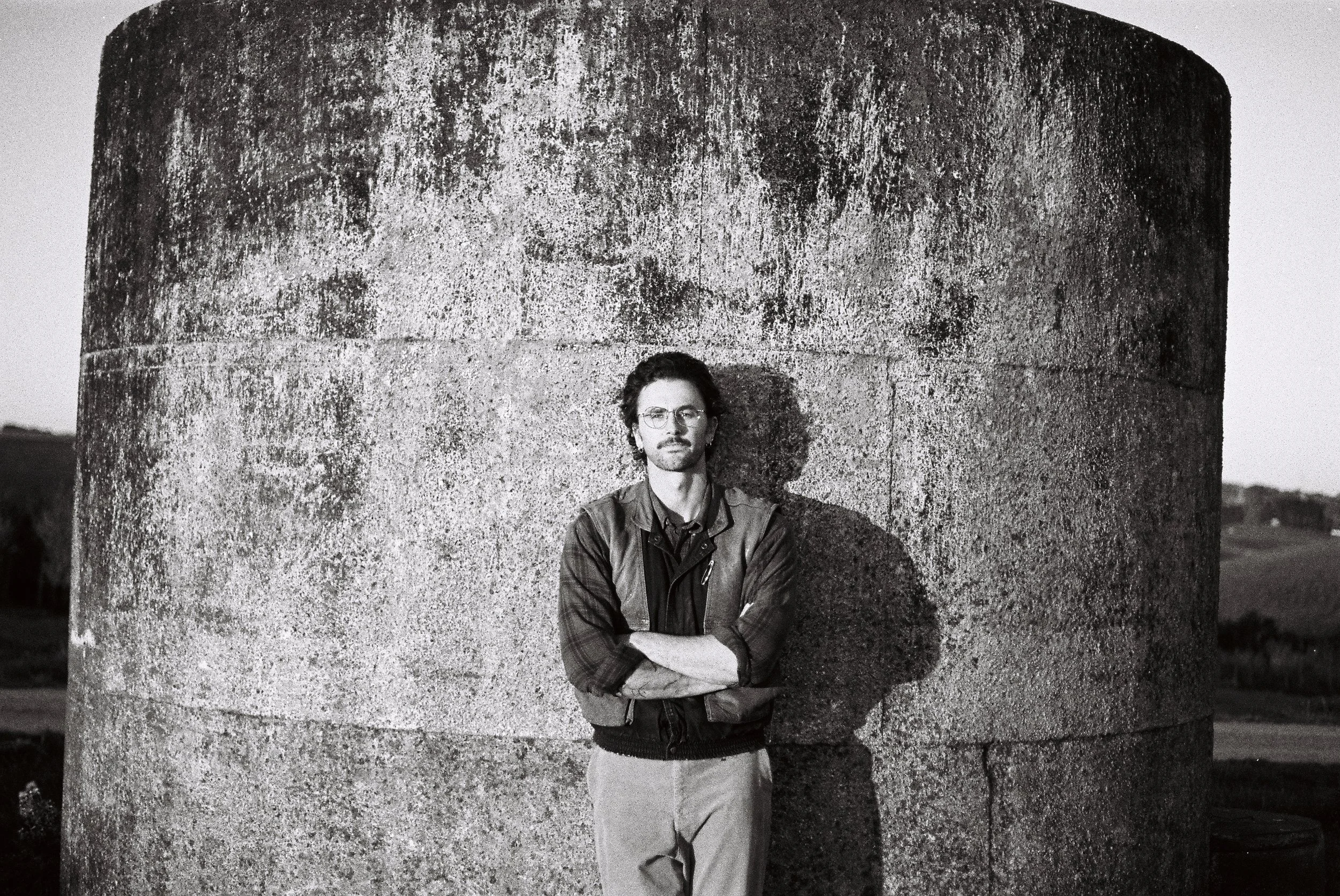
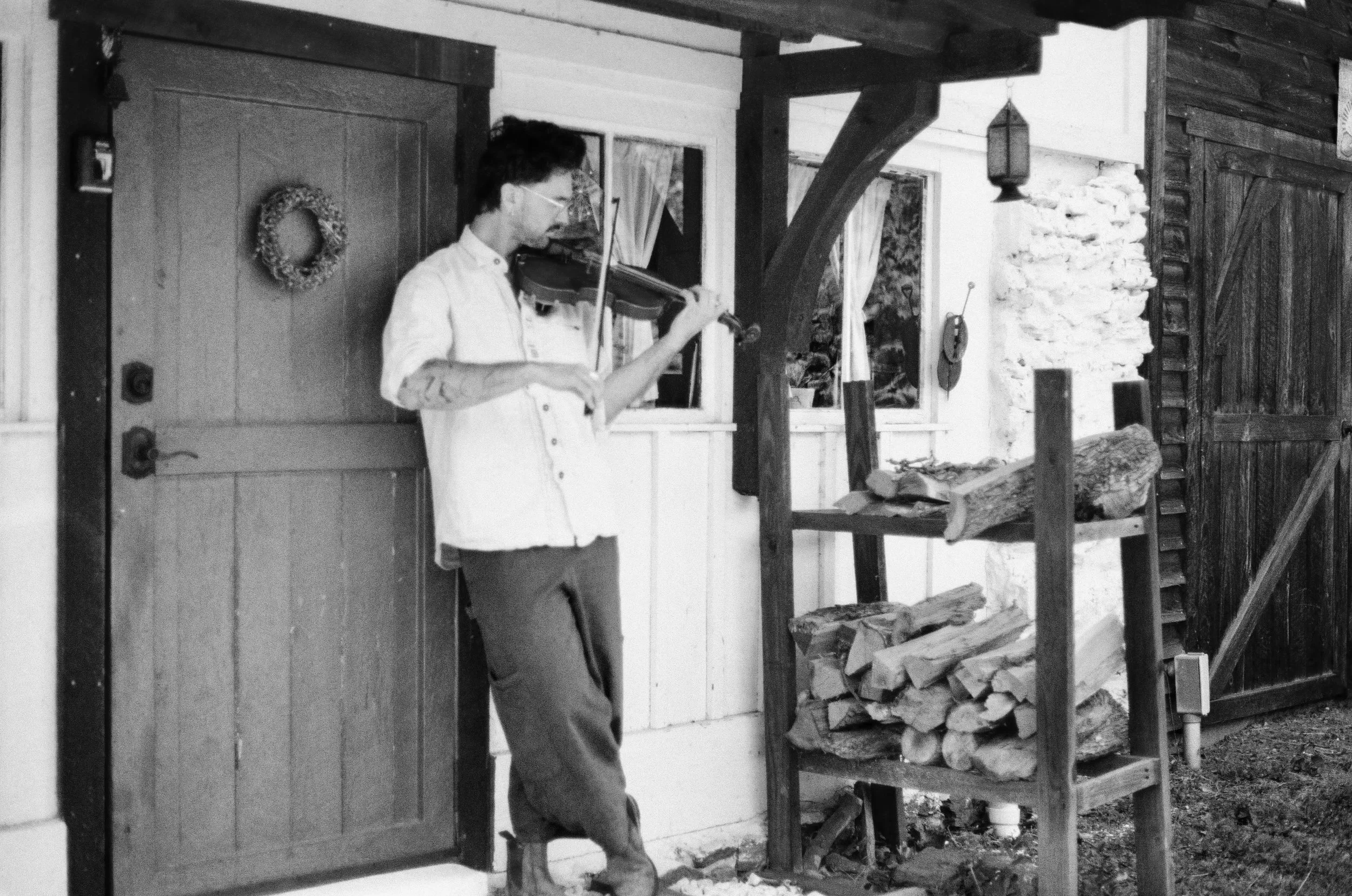
Raffaele is a writer, scholar, and folk musician. They are currently a PhD candidate at Yale University in Political Ecology and Human Geography – the ways humans shape the land, and in return, the way the land shapes us.
Raffaele’s current research focuses on the sociopolitical aspects of Rights of Nature and Environmental Personhood, paying special attention on the means by which Rights of Nature interacts with Western law, private property regimes, and Indigenous sovereignty. Raffaele’s other work includes critical research on green capitalism (i.e. carbon offsets, biodiversity credits), community climate resilience, and the relationships between sovereign Indigenous nations and colonial states.
They have published research and scholarly writing in several high-visibility academic journals and magazines, including Environment and Planning: Nature and Space, Socius, Antipode, Issues in Science and Technology, the Yale Program on Climate Change Communication, Sage Magazine, and more.
Raffaele has completed research on behalf of, and in collaboration with, several entities focused on climate and environmental justice, including the Yurok Tribe, the Yale Program on Climate Change Communication, The Land Trust Alliance, the National Indian Carbon Coalition, Navajo Power, and more.
You can read some of Raffaele’s non-academic written work on Substack here.
Is a River Alive?
A Conversation at the Edge of Law and Life - November 2025
(The Yale Rights of Nature Panel)
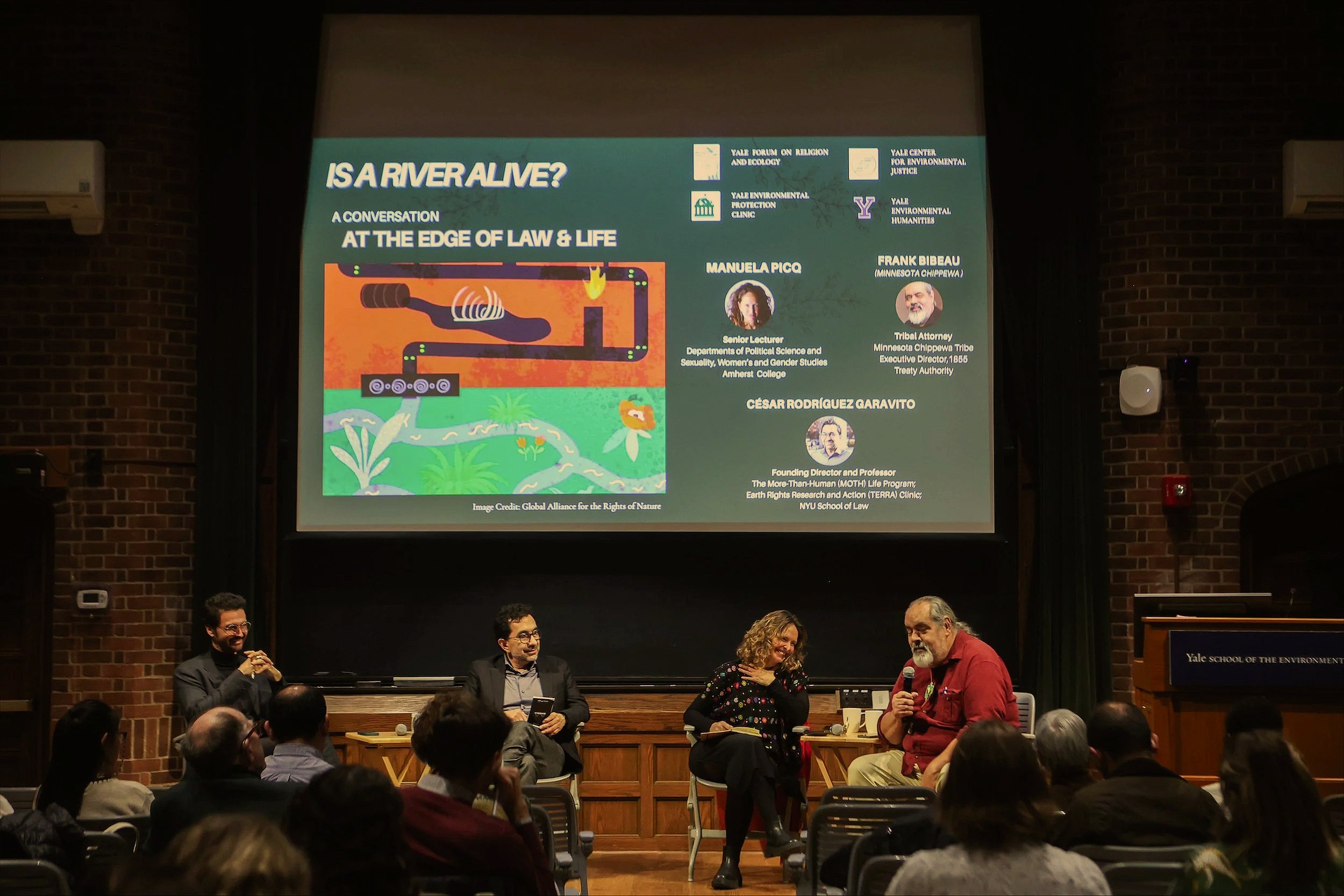
Raffaele Sindoni, Manuela Picq, Frank Bibeau (Minnesota Chippewa), César Rodríguez Garavito
Sponsored by: Yale Forum on Religion and Ecology, Yale Center for Environmental Justice, Yale Environmental Humanities, Yale Law Environmental Protection Clinic
In November of 2025, Raffaele moderated a discussion between a few of the world’s leading activists, lawyers, and scholars on the “Rights of Nature” - a growing legal movement in more than 50 countries to enshrine rights, legal standing, or personhood to non-human actors (i.e. rivers, forests, lakes, mountains, or even entire ecosystems).
It was the first panel in Yale’s history that concerned rights for the non-human. The conversation featured Tribal lawyer and Manoomin (wild rice) advocate Frank Bibeau (Minnesota Chippewa), Scholar of Indigenous Sovereignty and Feminist Studies Manuela Picq, and Founding Director of the More-Than-Human Project at NYU law César Rodríguez Garavito,
Over 200+ people joined live, both in person and over a Zoom Webinar broadcasted to participants in over 30 countries. A recording of this talk is publicly accessible here.
Recent and Upcoming Publications
Rights of Nature in the United States: An Empirical Analysis of Local Legal Adoption
Who adopts Rights of Nature laws, and why? This study offers the first comprehensive empirical analysis of every Rights of Nature effort in the United States from 2002 to 2024, finding that these ordinances emerge across remarkably diverse sociopolitical and environmental contexts — and are not concentrated in places facing heightened pollution burdens. The results suggest that Rights of Nature, despite its legal radicality, has broad and varied appeal across American communities, with significant implications for how we theorize the future of environmental law.
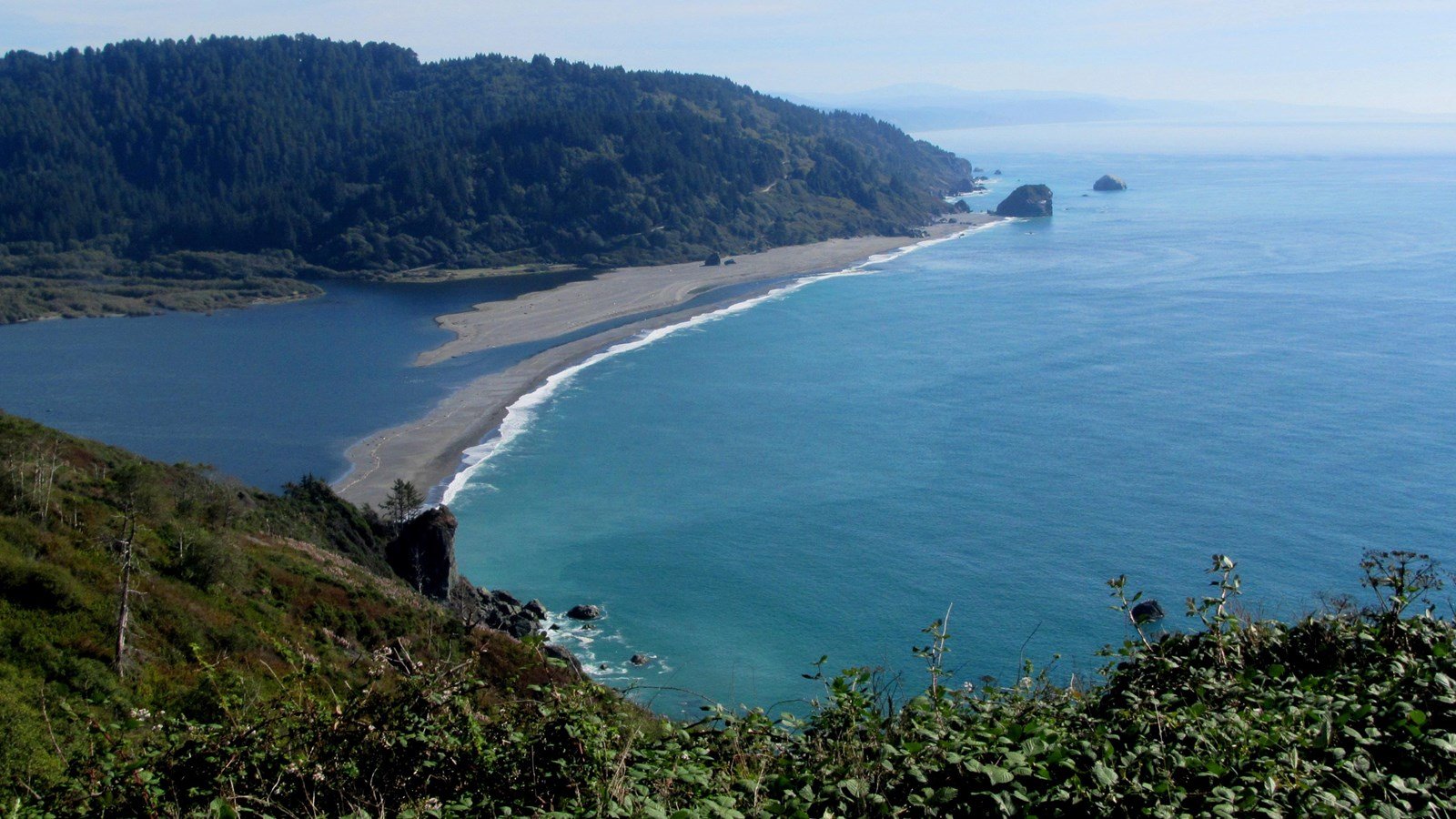
Whose Circularity, Whose Land? Yurok Forestry, Indigenous Economies, and the Politics of Regeneration
In collaboration with Yurok and Hoopa scholars, this paper introduces the Indigenous Circular Economy (IndCE) — grounded in sovereign authority, kin-centric responsibility, and relational obligations to the more-than-human world. Through Yurok forest stewardship, Good Fire, and food sovereignty, we argue that Indigenous-led economies expose the colonial blind spots of dominant circular economy discourse and point toward more just and ecologically resilient futures.